
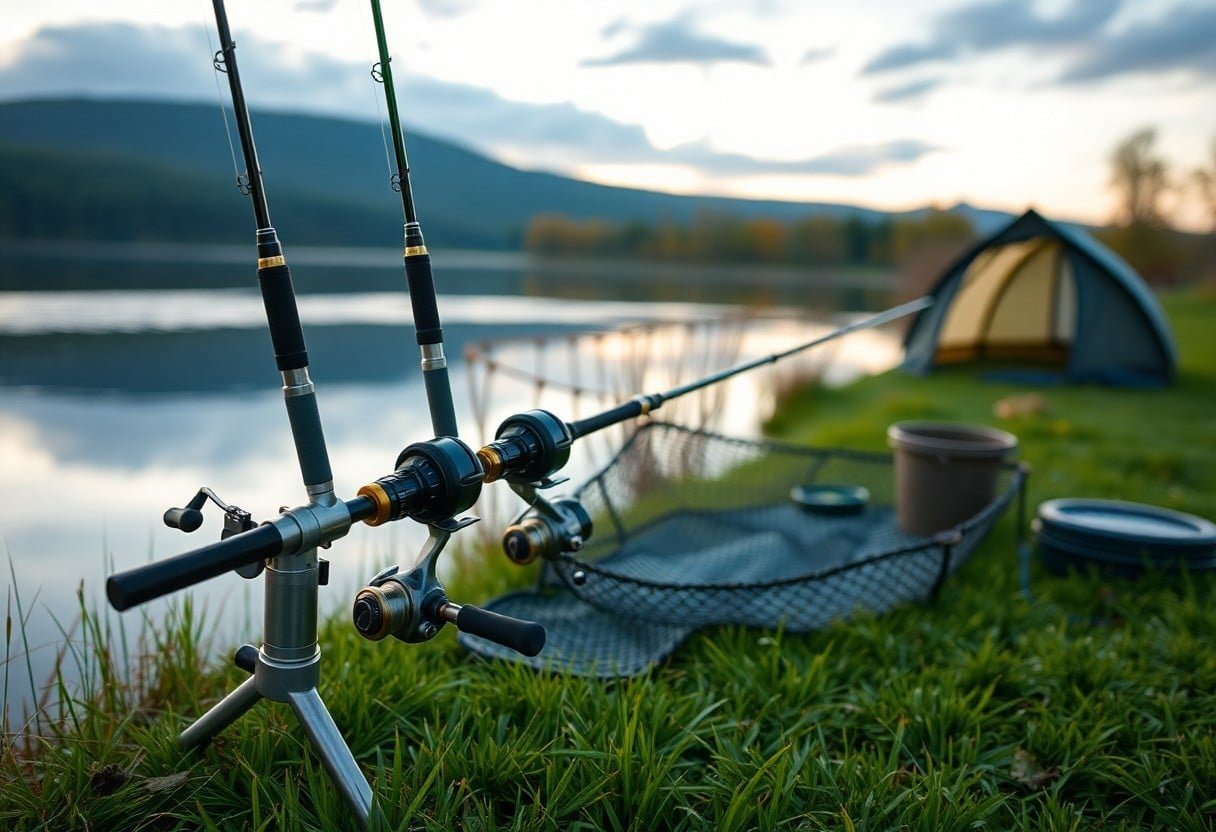
There’s a debate, but you should know rod pods and bite alarms can secure your rods, boost bite detection and catch rates, yet introduce trip hazards and battery reliance you must manage.
Key Takeaways:
- Rod pods and bite alarms improve bite detection and let anglers manage multiple rods with less constant watching.
- They are not strictly vital; many carp anglers succeed using simple banksticks, tip-ups, or by staying active at the bank.
- Bite alarms offer a major advantage for night sessions and long waits by alerting anglers immediately to takes.
- Rod pods provide stability and consistent rod presentation on uneven banks, making hooksets cleaner and line management simpler.
- Dependence on electronic alarms can reduce development of traditional skills like reading rod tips and detecting subtle takes.
- Choice should be guided by budget, venue rules, target fish behavior, and personal fishing style rather than trends.
- Passive alternatives such as bobbins, swingers, and lightweight setups deliver quieter, cheaper options for stealth or minimalist anglers.
Are Rod Pods And Bite Alarms Essential For Modern Carp Fishing?
Technology has shifted carp fishing from patient waiting to data-driven decision making, so you now rely on electronic aids to spot bites and set up more precise presentations. You should weigh increased catch consistency against added expense and potential equipment failure.
From traditional methods to electronic precision
You shifted from simple rests and boilies to bite alarms and sensors that give instant feedback, forcing you to interpret signals rather than guess. You must balance the gain in accuracy with the risk of false alarms and battery problems.
How modern gear changed the angler’s approach
Modern setups give you rod pods and alarms that free you to manage multiple rods, increasing your coverage and hook-up rate, while also introducing complexity and the chance of equipment loss if you mis-set or ignore signals.
Practically, you adapt by combining electronics with classic skills: keep watching water, test alarm sensitivity to avoid constant false positives, and secure pods against wind or theft to prevent gear loss. You should perform regular battery and alignment checks so the advantages-more effective rod management and faster reaction-aren’t undermined by avoidable failures.
The Functional Role of Rod Pods
Rod pods provide you with a compact, adjustable platform that keeps multiple rods organised and ready; stability on uneven banks reduces the risk of lost tackle and improves your chances of accurate bite detection.
Providing stability on diverse terrain and platforms
Platforms allow you to set rods firmly on sloping banks or decking, offering secure rod positioning that lowers the chance of a tip-over and keeps lines accessible when conditions are adverse.
Maintaining perfect rod alignment for line management
Alignment ensures you hold rods at the correct angle so lines track cleanly to the water, minimizing tangles and improving hooksets by keeping baits presented naturally.
You can fine-tune each rod’s angle and height on the pod so your lines run straight to the water, which reduces hang-ups and delivers cleaner hook-ups during fast takes. Adjustments on buzz bars or bank sticks let you counter wind and slope while keeping bite alarms more reliable, so you react to real takes rather than slack movement.
Bite Alarms: The Core of Modern Detection
Bite alarms let you monitor multiple rods while you rest; accurate, fast alerts reduce missed runs and speed your response.
Auditory indicators for night and long-stay sessions
Nighttime you rely on clear tones and adjustable volume to hear runs over wind and water; loud, distinct alarms prevent missed bites during long sessions.
Sensitivity adjustment and weather-proof reliability
Adjusting sensitivity lets you tune alarms to current conditions, avoiding false alarms from wind while still picking up light taps.
Fine-tuning alarm sensitivity is about balancing detection and stability; you should increase sensitivity for subtle takes and reduce it in wind to cut false alarms. Test your settings by applying gentle tugs and rigging rods as you will fish so you confirm reliable trigger points. Choose alarms with long battery life and clear weather sealing; look for IPX5-IPX7 ratings and protective covers. Carry spare batteries and simple mechanical indicators as backups so you won’t miss a run if an electronic unit fails.
Critical Situations Requiring Specialized Gear
Certain scenarios demand specialized gear: when you fish from unstable banks or face nocturnal runs, rod pods provide stable rod placement while bite alarms give instant alerts so you can respond without delay.
Navigating hard ground and concrete banks
Hard banks and concrete embankments punish soft banksticks, so you need solid supports; rod pods keep rods steady and reels safe, while alarms let you watch lines from a safer distance and avoid dangerous slips.
Managing multiple rods effectively in tight swims
Crowded swims force you to jockey rods; compact rod pods and audible alarms let you run three rods with minimal tangles and instant bite detection so you can react fast.
You must position rods to avoid line crossing, place buzz bars or compact pods low to the water, and use differing line lengths or coloured leaders to identify bites quickly. Siting alarms at ear level and using a receiver lets you maintain awareness while handling fish; this reduces tangles, prevents missed runs, and lowers the risk of lost fish in crowded swims.
Traditional Alternatives: Banksticks vs. Pods
Banksticks give you a low-cost, mobile alternative to rod pods, ideal when you need to move quickly or fish tight spots; consult Carp rod, reel, and bite alarm advice to match your setup.
The benefits of lightweight, mobile setups
You gain freedom to cover more water with lighter, mobile rigs that let you change marks quickly, avoid spooking fish, and travel long banks without strain.
When stealth outweighs the need for a pod
Stealth wins on pressured waters when you want minimal gear, soft footsteps and silent presentations that avoid alarms or metal clatter.
Choose ultra-light banksticks, low-profile buzz bars or single-rod layouts to keep noise and visual impact minimal; you monitor line movement by hand, use slim indicators, and rely on patience and stealth to outsmart pressured carp.
Evaluating the Necessity for Different Anglers
You should match gear to your goals, budget and session length; rod pods and bite alarms give reliable bite detection and hands-free security, but they add cost and setup time that you may not want for short, casual trips.
Essential tools for the dedicated specimen hunter
For specimen hunters like you, a solid rod pod and quality alarms boost hook-up rates, allow precise presentation and handle heavy tackle, making long sessions and pressured waters more productive.
Optional luxuries for the casual day-ticket angler
Casual day-ticket trips let you choose lighter kit; you can use banksticks and a simple buzzer instead of a pod and alarm, cutting cost and fuss while accepting a higher chance of missed opportunities.
If you fish nights or exposed banks you’ll appreciate alarms and pods for reliable alerts in low light and stability in windy conditions, which reduces lost fish; for short daytime visits you can stay mobile without them, but expect a greater risk of missed bites-consider a cheap buzzer or single alarm as a balanced compromise.
Summing up
So you don’t need rod pods and bite alarms to catch carp, but you gain better bite detection, faster reactions and more relaxed sessions when you use them; decide based on your budget, fishing style and venue conditions.
FAQ
Q: Are rod pods and bite alarms important for modern carp fishing?
A: No single answer applies; necessity depends on water type, session length, and angler goals. Rod pods give stable, multi-rod platforms and consistent presentation angles, while bite alarms provide instant alerts and allow anglers to cover more bank with remote receivers. Anglers fishing long nights, running several rods, or targeting big carp on commercial waters will find pods and alarms effectively important for efficiency. Those who prefer daytime, sight fishing, or minimal gear can still catch carp reliably without them.
Q: What advantages do rod pods provide?
A: Rod pods offer a secure, level platform for multiple rods and help keep presentations consistent across uneven banks. Adjustable legs and buzzbars enable quick setup on steep banks or soft margins and allow spacing of rods to reduce tangles. A pod reduces rod movement from wind and makes night rigs easier to manage when combined with snoods, hangers, and bank lights. Carrying a good pod also speeds up bivvy setup and gives a tidy, professional-looking peg.
Q: What benefits do bite alarms add to a session?
A: Bite alarms give audible and visual notification the moment line moves, cutting reaction time compared with purely visual methods. Modern alarms offer adjustable sensitivity, pitch, and timing to reduce false triggers and tune to different rigs or lake conditions. Remote receivers let anglers sleep or cover large areas and still respond quickly, which increases hook-up rates on long sessions. Alarms also make night fishing safer by alerting you to fast takes that are easy to miss by sight alone.
Q: What are the main drawbacks of using pods and alarms?
A: Cost can be substantial for a quality pod, multiple alarms, and receivers, and electronics add weight to your kit. False alarms caused by wind, insects, or current require proper tuning and accessories like bobbins or line clips. Dependence on batteries and electronics introduces failure points; a broken alarm or dead receiver can be compensated for by visual indicators but will still reduce convenience. Some fisheries restrict alarm use or have anti-theft policies, so checks before a session are advisable.
Q: What effective alternatives exist for anglers who don’t use pods or alarms?
A: Banksticks, swingers, and bobbins provide reliable, low-cost bite detection for single-rod setups or anglers on a budget. Attending rods by hand or using quiver tips and visual indicators works well on smaller waters, daytime sessions, or when close-range fishing is possible. Lightweight rod rests and carrying a bivvy lamp or headtorch for night visibility are simple measures that replicate many pod/alarm benefits without electronics. Combination approaches-one rod on an alarm, one on a swinger-give redundancy and flexibility.
Q: In which situations are rod pods and bite alarms most useful?
A: Large commercial lakes, long overnight sessions, and trips where multiple rods are deployed benefit most from pods and alarms. Night fishing and sessions where the angler needs to move around the bank or rest are prime use cases for remote receivers and audible alerts. Exposed banks with wind or current favor pods for stability, and match-style scenarios or carp syndicates that expect quick reaction and multiple hookups make alarms practically indispensable for consistent results.
Q: What practical tips improve pod and alarm performance and longevity?
A: Match equipment to your style: choose lightweight materials for travel and heavy-duty kits for exposed peg work. Test alarm sensitivity and delay at home using controlled pulls and set volume to suit ambient noise. Carry spare batteries, a receiver, and non-electronic backups like bobbins or quiver tips in case of failure. Keep contact points clean, store electronics dry, and practice setup so you can rig quickly and tune alarms on arrival at the water. Use anti-theft features and cable locks where necessary.